The Reconciliation Hour: A Monthly Discipline for Repeat Charges on UK Trade Accounts
A duplicate invoice is rarely presented as a duplicate. On a UK trade account, the second charge usually arrives dressed as an ordinary line: a part-shipment invoiced separately, a reissued document with a fresh number, or a credit note that was promised by telephone and never keyed. By the time the statement is produced, the original order has been broken into enough paperwork that the repetition is difficult to see. The remedy is not a more suspicious temperament. It is a fixed monthly routine that treats the statement as a document to be reconciled, not merely a total to be paid.
Why the first check misses the second charge
Most trade accounts are approved against a purchase order value rather than against delivery evidence. That works well enough when a supplier despatches in one movement and invoices once. It fails when a consignment is split across two vehicles, when a back-order is released a fortnight later, or when a query leads to a replacement invoice rather than an amendment. The purchase order still matches the total, so the invoice passes. The delivery note, if it is checked at all, is checked against the order rather than against the invoice number.
The statement compounds the problem. It summarises activity by date and reference, often without the delivery note number. Two invoices for the same goods can sit on separate lines with different references and still look like normal trading. The buyer who reads only the closing balance will not see them.
The three-document triangle
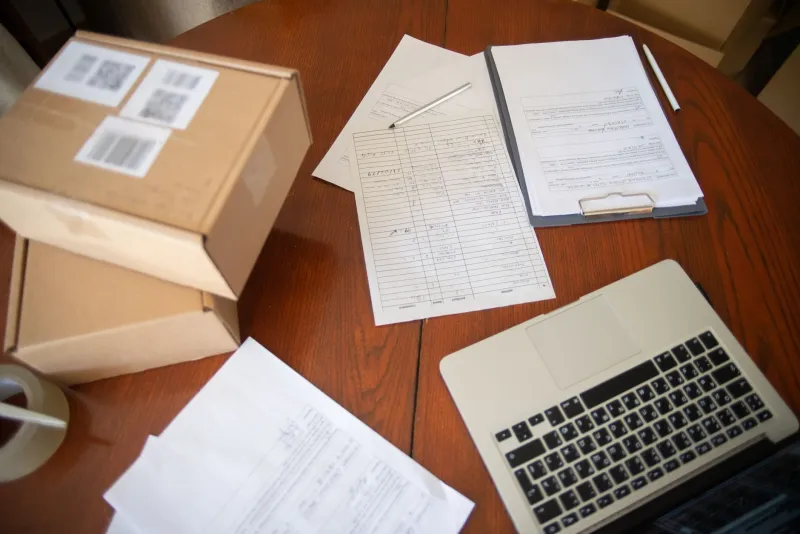
A workable reconciliation rests on three documents: the delivery note or goods received note, the invoice, and the statement. Each has a different job. The delivery note proves what arrived and when. The invoice proves what the supplier believes it is owed, and must carry the correct VAT information for a valid VAT invoice. The statement proves what the supplier has posted to the account. A duplicate is not always an error in any one document; it is usually a failure to match all three.
For every invoice line above an agreed threshold, the routine should confirm four things: that a delivery note exists, that the quantities agree, that the invoice number has not appeared before in a different form, and that any credit note raised against the order has actually been applied. The fourth check is the one most often skipped. A manually keyed credit note can sit unallocated for weeks while the original invoice remains on the statement.
A monthly hour, not a monthly panic
The routine should be calendar-driven. Choose one hour on the first working Tuesday of each month, after the supplier statement has arrived but before the payment run is prepared. Treat it as a fixed appointment. The following sequence is sufficient for most UK trade accounts.
First, freeze the statement period. Download or print the statement and mark the opening and closing dates. Do not reconcile against a live account screen that is still changing.
Second, match every statement line to an invoice in the purchase ledger. Where a line cannot be matched, note it as an exception rather than guessing.
Third, match each invoice to a delivery note or goods received note. For split deliveries, confirm that the invoice references the correct part-shipment and that no second invoice has been raised for the same movement.
Fourth, test invoice numbers for near-duplicates. Look for the same amount, the same date, and a reference that differs only by a suffix, a reissue marker, or a manual override. Suppliers sometimes reissue an invoice after a query without cancelling the original.
Fifth, reconcile credit notes. A credit note should reduce the statement balance in the same period as the return or dispute. If it appears as a credit but the original invoice remains unpaid, confirm whether the credit has been offset or is merely sitting on account.
Sixth, record the exceptions in a single log with the statement date, invoice number, delivery note reference, amount, and the action taken. This log becomes the evidence pack if the matter escalates.
The signs of a double delivery
A double delivery is not always two vehicles at the gate. It can be one order despatched in two parts, each with its own delivery note and invoice, where the second part was already included in the first invoice. It can be a replacement consignment sent after a shortage, invoiced again because the original credit note was never raised. It can be a back-order released under a new order number while the original order remains open.
In each case, the paperwork looks plausible. The warning sign is a delivery note that references an order already invoiced in full, or an invoice whose quantity exceeds the outstanding balance on the order. A monthly review of open orders against delivered quantities will surface most of these before the statement does.
An escalation path that gets a response
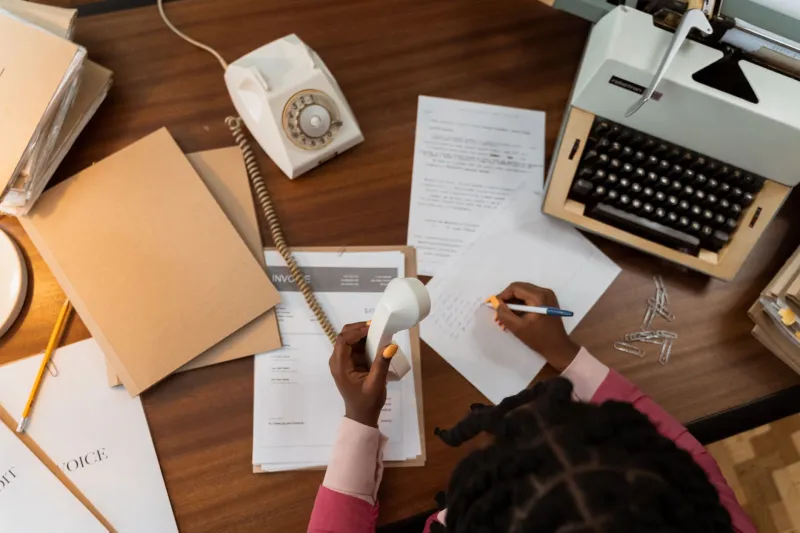
When a duplicate is identified, the first contact should be written and specific. Send the supplier a short email that quotes the statement date, the invoice numbers, the delivery note references, and the goods received note. State the amount in dispute and request a credit note or a written explanation. Avoid telephone-only resolution; a conversation that is not confirmed in writing will not survive the next statement.
Allow five working days for a response. If none arrives, escalate to the account manager and copy the credit control contact. At thirty days, review the disputed amount against the contract terms. Where the contract permits, withhold payment on the disputed amount only, not on the whole account, and confirm the position in writing. Continue to pay undisputed invoices to avoid damaging the trading relationship or triggering a credit hold.
The hour that pays for itself
Duplicate charges thrive on loose matching and busy months. A single fixed hour, supported by a three-document check and a written exception log, will not eliminate every error. It will, however, catch the repeat charges that otherwise pass silently into the payment run. In 2026, with trade accounts carrying more split deliveries and more manual adjustments than ever, that hour is not administration. It is procurement control.