The Weight of Evidence: Auditing Bulk Trade Deliveries at the Weighbridge
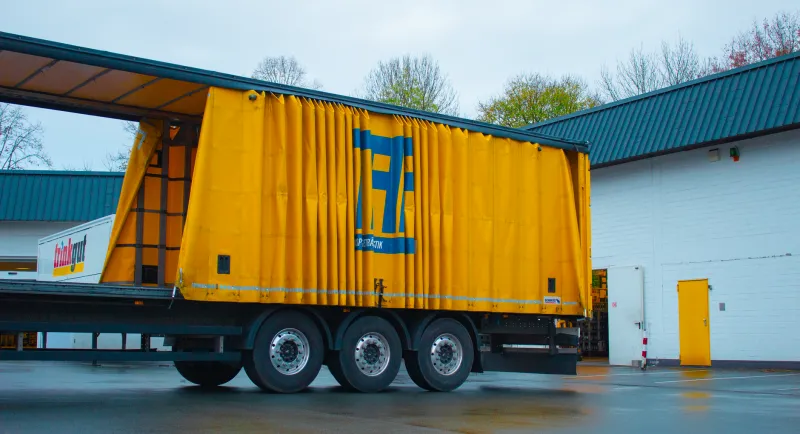
On a bulk trade account, the delivery note is not the document that decides what the load cost. The weighbridge ticket is. Yet many buyers sign the note at the gate and file the ticket without reading either closely. That is where a trust gap opens: the supplier has weighed the load, the buyer has accepted it, and neither party has tested whether the figures on the invoice match the material that arrived.
What the Ticket Proves — and What It Does Not
A weighbridge ticket records a vehicle at a point in time. On a typical bulk delivery it shows a gross weight, a tare weight and a net weight, usually with the date, time, vehicle registration and the identity of the bridge. That is useful evidence. It is not proof of quality, source, moisture content or condition. A ticket can confirm that a lorry weighed 44,000 kg loaded and 14,000 kg empty. It cannot confirm that the load was the grade ordered, that the aggregate was not wet, or that the bagged product inside the curtain was correctly counted.
The distinction matters because weight is often the invoice basis for aggregates, scrap, steel and some bagged goods. If the ticket is wrong, or the tare is stale, the invoice is wrong. The buyer is not being suspicious by checking; they are closing a routine commercial gap.
Gross, Tare and the Sequence That Matters
The arithmetic is simple: net equals gross minus tare. The sequence is where errors appear. Most public weighbridges and supplier bridges weigh the loaded vehicle first, then the empty vehicle after tipping. Some sites do the reverse. Either is workable, but the ticket should show the sequence clearly. If the ticket shows an empty weight first and a loaded weight second, check that the vehicle did not change between the two.
Tare weight is the weak point. A standard tare figure for a familiar vehicle combination is convenient, but it is only valid if the vehicle, trailer and any fixed equipment are unchanged. Drop a trailer, swap a body, or add a crane and the tare moves. For bagged loads, pallet weight and packaging can add up across a full consignment. A supplier using a nominal tare is not necessarily acting badly, but the buyer should know whether the figure is measured or assumed.
Moisture, Contamination and the Allowance Question
Aggregates and scrap are rarely bone dry. A load can be within its gross weight and still contain more water than the contract allows. Moisture allowances should be written into the supply agreement, not agreed at the gate. Ask what the allowance is, how it is tested and who bears the cost if the material arrives wetter than the specification. For scrap, contamination and non-conforming material affect the net payable weight, not just the gross. For bagged goods, count the bags and weigh a sample; the weighbridge alone will not catch a short count.
Independent Checks and the Public Weighbridge
Periodic independent weighing is the simplest control. A public weighbridge provides a second ticket, and the small fee is usually trivial against the value of a bulk load. It also gives the buyer a record that is independent of the supplier. Check the calibration date on the ticket or certificate. Weighbridges used for trade are subject to weights and measures requirements, and a current calibration record is part of the evidence. You do not need to weigh every load; a rolling sample, plus any load that looks or feels wrong, is enough to keep the account honest.
The Signature Is the Commercial Act
Signing a delivery note is not a receipt for a parcel. It can be treated as acceptance of quantity and condition. If the ticket and the note disagree, write the discrepancy on the note before signing. If the load has not been independently verified, sign subject to weighbridge verification. Take a photograph of the ticket and the load. Record the vehicle registration and the time. These steps take minutes and give the buyer a defensible position if the invoice is later queried.
A Simple Audit Trail
A monthly reconciliation does not need software. Compare invoiced tonnage against the weighbridge tickets for the same period. Set a variance threshold, perhaps half a percent for regular bulk loads, and investigate anything outside it. Keep a log of bridge identity, vehicle, date, ticket number and net weight. If a supplier cannot produce a ticket for a load, that is a finding in itself. Over a quarter, the pattern will show whether the trust gap is a one-off error or a routine margin.
The weighbridge is not an accusation. It is a measuring instrument. Used routinely, it turns a signed delivery note into a commercial record that both sides can rely on. In 2026, with bulk input costs still sensitive, that routine is worth more than a filing cabinet full of unread tickets.