Dated Evidence: Keeping Certification Valid Across a Working Trade Store
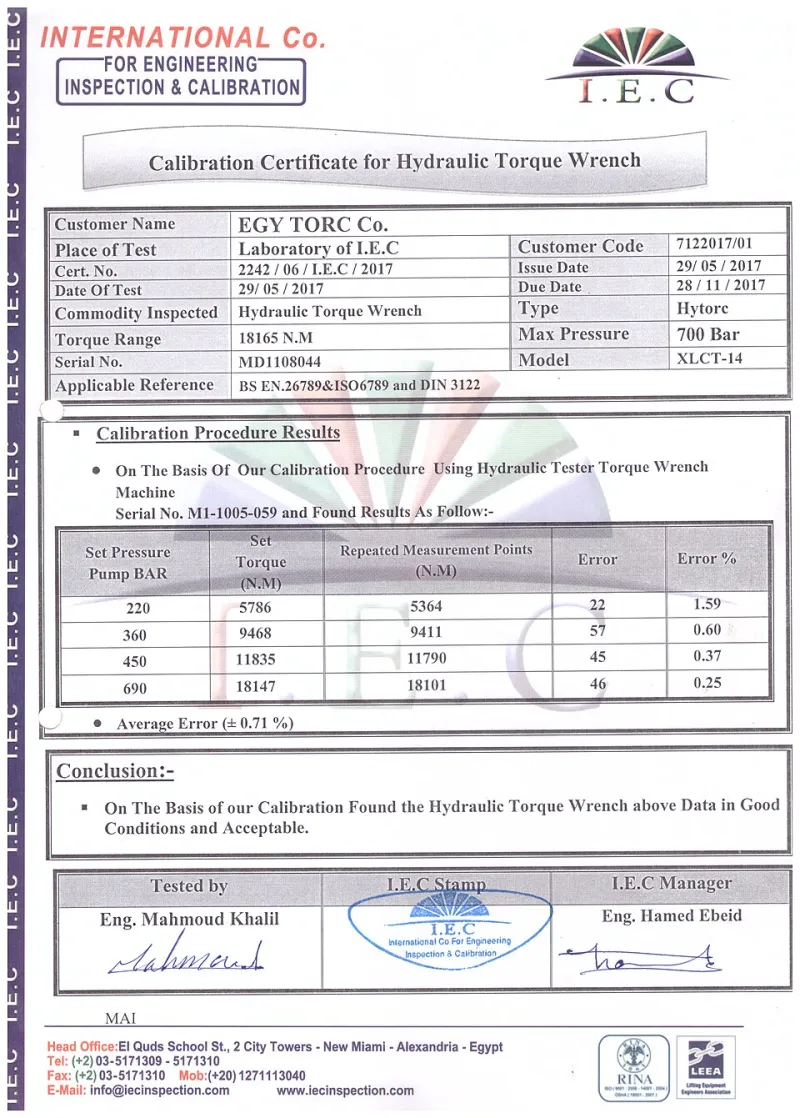
Photo: E.online-m, CC BY-SA 4.0, via Wikimedia Commons
A trade store can hold two kinds of age. The first is visible: packaging fades, rubber stiffens, a carton is dented. The second is written on a certificate and is easier to miss. A lifting sling, a safety harness, a torque wrench or a pressure gauge may be unused and physically sound, yet the document that allows it to be relied upon may no longer support that use. For UK trade buyers, certificate dates belong in stock planning, not in a filing cabinet after the event.
What the certificate is actually certifying
Certification is not one document with one meaning. A test certificate may record that an item met a specification at manufacture. A calibration certificate records the result of a measurement against a reference and often states a recommended recalibration date. A thorough examination report for lifting equipment records an inspection at a point in time. A declaration of conformity supports placing goods on the market. PPE may carry a manufacturer's date code and a shelf life rather than a conventional expiry date.
The distinction matters. Not every certificate expires in the legal sense. Some are birth records; others are evidence of a regime. Lifting equipment is governed in the UK by LOLER 1998, with thorough examination at intervals set by the employer's scheme, while PUWER 1998 and the PPE at Work Regulations 1992 add duties around work equipment and personal protective equipment. The certificate is part of the evidence chain, not a substitute for the inspection regime. The stock control question is narrower: what date on this document triggers an action, and who owns that action?
Where calibration is bought, check whether the provider is UKAS-accredited for the relevant measurement. That does not make the certificate permanent, but it gives the buyer a clearer basis for accepting the result.
Why stock age is not a single number
The date of manufacture, the date of test, the date of calibration and the date of first use are different things. A rubber PPE item may have a shelf life from manufacture and a separate service life once issued. A calibrated instrument may drift with time, storage conditions and use. Lifting gear may sit in a rack for months and still require examination before service. A box date tells you when the goods were packed; it does not tell you when the evidence supporting them will need attention.
That is why stock rotation needs a certificate dimension. First in, first out is a sensible default, but it is not sufficient where the older item has the longer calibration life or the newer item has the shorter PPE shelf life. The person picking should be able to see the next action date without opening a filing cabinet.
Goods-in is the date-control point
At goods-in, paperwork is often checked for existence rather than content. A better routine takes five minutes per consignment. Confirm that the certificate identifies the item by description, serial number, batch or asset number. Check the issue date and any stated due, re-test or recalibration date. Confirm that the document belongs to the goods actually delivered, not to a similar product in the same range. Record the trigger date in the stock system at the same time as the quantity. Store the document against the stock line, with a duplicate in a controlled folder.
If the certificate is missing or does not match, do not release the stock to a picking face. Put it in a quarantine or hold location and label it clearly. A common failure is to accept a promise that the certificate will follow and then treat the goods as available. If a supplier cannot provide documentation with the delivery, agree in writing when it will arrive and keep the stock non-releasable until it does.
Agree the document pack before the order
Procurement can prevent most certificate problems at the purchase-order stage. Specify the documents required: test certificate, calibration certificate, declaration of conformity, inspection report or PPE date code. State the format, preferably a searchable PDF, and the timing. For calibration, agree the interval you expect and whether the supplier will notify you before the next due date. For PPE and polymer products, agree a minimum remaining shelf life at delivery and a date-coding convention. For lifting gear, require identification that matches the certificate and any marked safe working load.
The purchase order should also state the consequence of missing documentation: the receipt may be rejected, payment may be withheld, or the goods may be returned at the supplier's cost. That is not an aggressive position. It is a clear one. A supplier who understands that certificates are part of the product will usually build the check into dispatch.
A working date register
A simple register is enough if it is used. For each certificate, record the stock line, certificate type, reference, issue date, next action date and document location. Add a status field: releasable, held, due for recalibration or withdrawn. The register should distinguish between a date that has passed and a date that is approaching. A monthly report of items due in 90, 60 and 30 days gives time to return stock, arrange recalibration or plan a replacement.
Where practical, label the pallet or bin with the next action date so the person picking can see it without opening the register. At stocktake, sample certificates against the physical stock and check that the register matches the shelf. A register that is only updated when someone remembers is a record of intention, not a control.
When the date passes
An expired calibration or lapsed test evidence does not mean the item is broken. It means the evidence no longer supports reliance. For a torque wrench or measuring instrument, recalibration may be straightforward and economically sensible. For a low-value PPE item, replacement may be cheaper than re-inspection. For lifting equipment, the item should be withdrawn from service and assessed under the relevant inspection scheme before it returns.
The commercial cost is real. Sound stock can become a write-off because the paperwork was not managed. The answer is not to ignore dates but to price the risk into buying and stocking decisions. High-turnover consumables carry less certificate risk than slow-moving calibrated instruments. A buyer who holds the latter should know the recalibration cost and turnaround before the order is placed.
The practical standard
Treat certificates as stock attributes. Capture the date at goods-in, record the trigger action, keep the document with the stock line and review the register monthly. Agree the document pack before the order and make missing paperwork a receipt issue rather than a later dispute. In 2026, with tighter stock budgets and longer supply chains, that discipline is a straightforward way to protect the value of goods that are otherwise fit for work.