The Box That Comes Back: Returnable Packaging and the 2026 UK Trade Buyer’s Cost Test

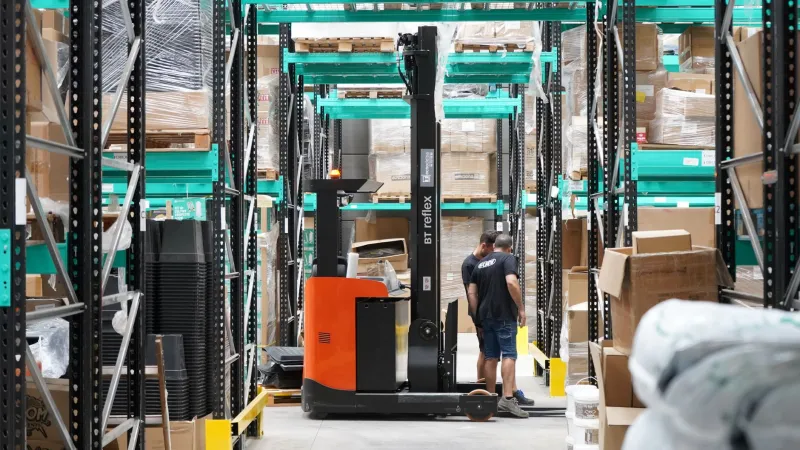
Photo: stacked returnable plastic crates warehouse UK, via ev-riders.com
Packaging used to be a line item that most trade buyers accepted without much debate. That is no longer sensible. The UK packaging waste regime, the plastic packaging tax and the practical cost of handling waste all affect what arrives on the loading bay and what leaves it. For trade accounts ordering regularly, the question is not simply whether a box is recyclable. It is whether the packaging route makes financial and operational sense over a series of deliveries.
What is changing for UK packaging costs
Packaging extended producer responsibility, usually shortened to EPR, is designed to move the cost of managing packaging waste closer to the organisations that place packaging on the market. The detail is complex and continues to develop across the UK, but the commercial effect for buyers is straightforward: packaging carries a cost that may be passed through the supply chain. Suppliers may recover it in unit prices, delivery charges or separate packaging lines.
Plastic Packaging Tax is a separate matter. It applies to plastic packaging components manufactured in or imported into the UK that contain less than 30% recycled plastic. The tax is paid by the producer or importer, but it can appear in the price a trade buyer pays. A plastic crate, tray or shrink-wrap film is not automatically the cheaper option once the recycled content and the tax position are known.
The four packaging routes
Most trade accounts are choosing between four broad routes. They are not equally suitable, and the cheapest headline price is rarely the cheapest route over a year.
| Route | Main cost drivers | Best fit | Watch-outs |
|---|---|---|---|
| One-way fibre | Purchase cost, EPR pass-through, waste handling, storage | Dry goods, low return volumes, simple distribution | Contamination, collapsed cartons, limited reuse |
| One-way plastic | Purchase cost, plastic packaging tax, EPR pass-through, waste handling | Moisture protection, some food and industrial parts | Recycled content evidence, film waste, tax exposure |
| Returnable crate pool | Hire or pool fee, return transport, washing, loss and damage | Regular routes, known depots, high-volume repeat lines | Crate loss, cycle time, cleaning standards |
| Own crate fleet | Purchase, storage, washing, repair, tracking, return logistics | Large accounts with control of both ends of the route | Capital tied up, admin burden, reverse logistics |
Ask the supplier what is actually included
A quotation for returnable packaging can look attractive until the exclusions are read. Ask whether the rate includes collection from the delivery point, washing, inspection and replacement of damaged crates. Ask who owns the crates while they are in transit and who pays for losses. If the supplier operates a pool, confirm the pool operator, the deposit or hire arrangement and the process for reporting missing equipment.
For one-way packaging, ask what EPR and plastic packaging tax costs are included in the price and whether they will be shown separately. Ask for evidence of recycled content where plastic packaging tax is relevant. A supplier that cannot explain the packaging cost is unlikely to manage it well when the rules change again.
Model the true cost per trip
Compare packaging routes on a cost-per-trip basis, not a cost-per-box basis. The calculation should include the purchase or hire cost, any EPR or tax pass-through, inbound storage space, handling time, return transport, washing, inspection, repair and replacement of losses. Add the admin cost of tracking crates and chasing missing equipment. For one-way packaging, include waste collection and the staff time spent flattening, baling or segregating materials.
A returnable crate that makes ten trips may still be more expensive than a carton if the return journey is long, the crate loss rate is high or the washing process is unreliable. Conversely, a one-way box that looks cheap can become expensive when it is used on a tight weekly route with a known return leg and a supplier that manages the pool properly.
Test the route before changing the account
Do not switch a whole product line on the strength of a packaging brochure. Run a pilot on one route or one product family. Record the number of crates issued, the number returned, the cycle time and the condition on return. Check whether the crates fit the existing pallet, racking and vehicle configuration. Confirm that the washing or inspection standard meets the requirements of your customers or internal quality process.
Set a loss allowance before the pilot begins. A small percentage of crate loss may be normal, but it needs to be visible and priced into the decision. If the pilot depends on drivers waiting for empty crates to be counted, the labour cost belongs in the model.
A practical decision checklist
- Confirm the product, route and expected number of trips per year.
- Ask the supplier for a full packaging cost breakdown, including EPR and plastic packaging tax where relevant.
- Check whether returnable crates are pooled, hired or owned, and who is responsible for losses.
- Confirm collection points, return frequency and vehicle capacity.
- Verify washing, inspection and repair standards.
- Compare cost per trip, not cost per unit.
- Pilot one route and record crate loss, cycle time and damage.
- Review the arrangement after three months and adjust the loss allowance.
The box is part of the supply chain
Packaging decisions sit between procurement, logistics and stock planning. That is why they are often left to the supplier by default. For a UK trade account in 2026, the better approach is to treat packaging as a managed part of the supply route. Ask what comes back, who pays when it does not, and what the cost looks like over a year of deliveries. The box that returns can be an asset. The box that disappears is simply another cost with no line on the invoice.