The Kit That Leaves the Yard: A Ledger for Loaned Tools and Demo Equipment

Photo: trade counter loan tool checkout sheet with power drill and clipboard, via marketing-howto.com
The drill that was never booked back in
Most trade suppliers lend equipment in good faith. A demonstration drill goes out with a trusted customer for a week. A specialist torque wrench is handed over for a trial. A set of environmental sensors is left on site to see how they perform. The paperwork is often a signature on a delivery note, and the return date is often a verbal understanding. Months later, the drill is in the back of a van, the sensors are in a site cabin, and nobody can say who last had them.
The loan tool ledger is a modest control that prevents a disproportionate amount of friction. It works in both directions: it gives the buyer a clear record of what was borrowed and when it is due back, and it gives the supplier a service standard that reduces disputes over deposits and chargebacks.
What the ledger should capture
A ledger does not need software. A shared spreadsheet or a paper register at the trade counter can work, provided the fields are consistent. At minimum, record:
- Asset identifier and description, including make, model, and serial number where available.
- Borrower name, company, and contact number.
- Job or site reference, so the item can be traced if the borrower moves on.
- Checkout date and agreed return date.
- Deposit taken, if any, and the terms attached to it.
- Condition at checkout, supported by photographs.
- Condition at return, supported by photographs.
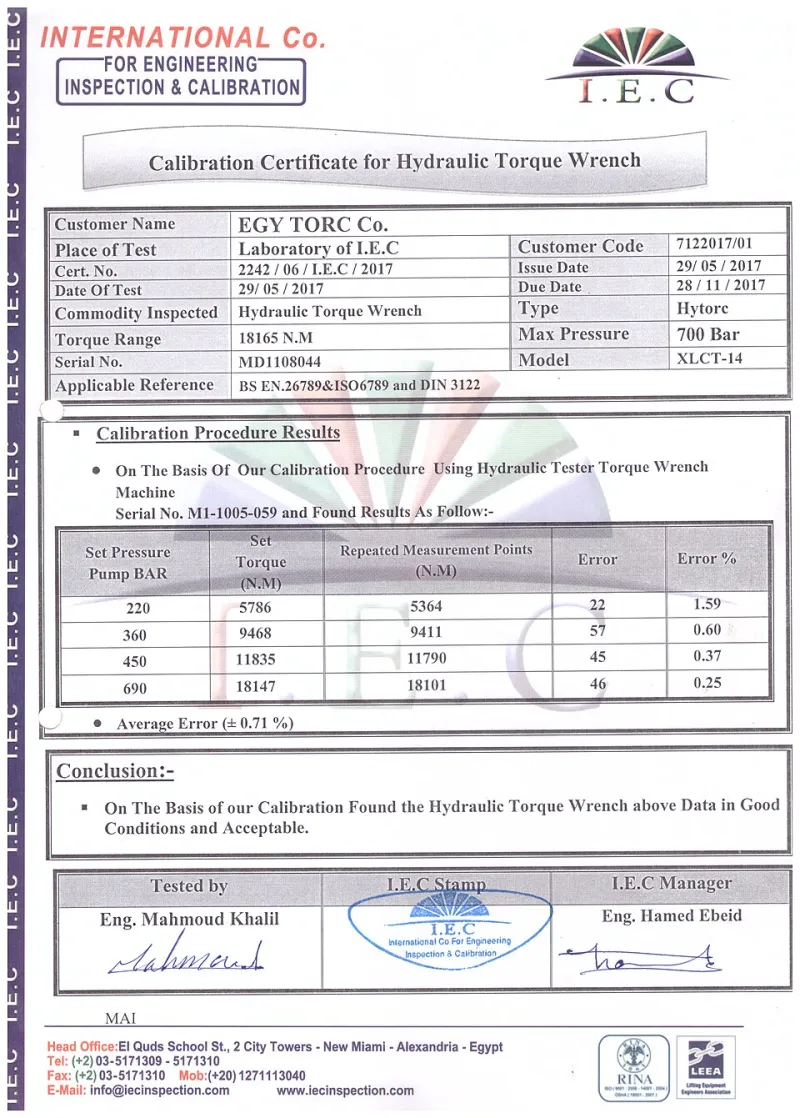
- Any accessories, batteries, chargers, cases, or calibration certificates issued with the item.
The accessories matter. A drill returned without its charger is not a complete return, and the cost of the missing part should not become a surprise deduction later.
Condition photographs are not optional
A photograph taken at the trade counter is the cheapest insurance available. It should show the item as a whole, any existing damage, and the serial plate. The date and time should be visible or recorded alongside the image. The same process applies at return.
This is not a suggestion of mistrust. It is a shared record. Where an item comes back with a cracked housing or a missing guard, the photograph establishes whether the damage pre-dated the loan. Without it, the conversation becomes a matter of memory, and memory is expensive.
Return windows and grace periods
A return date without a consequence is a suggestion. The ledger should state a return window and a grace period. For example, a demonstration tool might be due back within seven days, with a two-day grace period before a daily charge begins. The charge should be agreed in writing before the item leaves the counter.
The buyer should also nominate a person responsible for return. On a busy site, equipment is often handed between operatives. A named custodian, recorded in the ledger, prevents the item from becoming everyone's responsibility and therefore nobody's.
Deposit terms and chargeback risks
Deposits are common on high-value loan equipment, and they are a frequent source of dispute. The terms should be clear at checkout:
- What the deposit covers: loss, damage, late return, or a combination.
- How and when it is refunded.
- What deductions may apply and at what rates.
- Who decides whether damage is fair wear and tear or chargeable.
A supplier that cannot explain these terms at the counter should not be surprised when the buyer disputes a deduction later. Equally, a buyer who returns an item late or incomplete should expect the agreed charge. The ledger is the evidence for both sides.
A supplier-side service standard
The same ledger can be used as a service standard. A supplier that issues a printed or emailed checkout sheet, with photographs and a clear return date, is demonstrating that it manages its own assets. That standard tends to reduce losses and improve the customer experience at the same time.
A simple handover sheet should include the asset details, the borrower's signature, the return date, the deposit terms, and a note of any accessories. A reminder message two days before the return date is a low-cost courtesy that prevents most late returns.
The buyer-side audit
For the buyer, the ledger is only useful if it is checked. A monthly review should reconcile items out on loan against the jobs that requested them. Van audits, whether scheduled or spot checks, should compare the equipment in the vehicle against the ledger. Any item that cannot be accounted for should be escalated before it becomes a chargeback.
It is also worth reviewing the ledger at the end of a project. Equipment that was borrowed for a specific phase should be returned when that phase ends, not when someone remembers. A closed project with open loan lines is a warning sign.
Closing the loop
When an item is returned, the ledger entry should be closed with the return date, the condition check, and the deposit outcome. If a charge is applied, the reason should be recorded. If the item is retained for a further period, a new return date should be agreed and recorded.
The aim is not bureaucracy. It is a clean handover. A loan tool ledger protects the supplier's asset base and the buyer's cash. It also makes the next loan easier, because both parties know what is expected.